
Vita Sackville-West lost the house she loved most for a single reason: she had been born a girl.

Have You Been Told About English Gardens?
What Vita built instead

The house was Knole, in Kent, so vast that legend gives it a room for every day of the year. She grew up inside it entirely certain it belonged to her in every way that mattered, and she was wrong, because Knole passed with the title, and the title passed only through sons. When her father died the house went to her uncle instead, and something in Vita never quite recovered from watching it go.
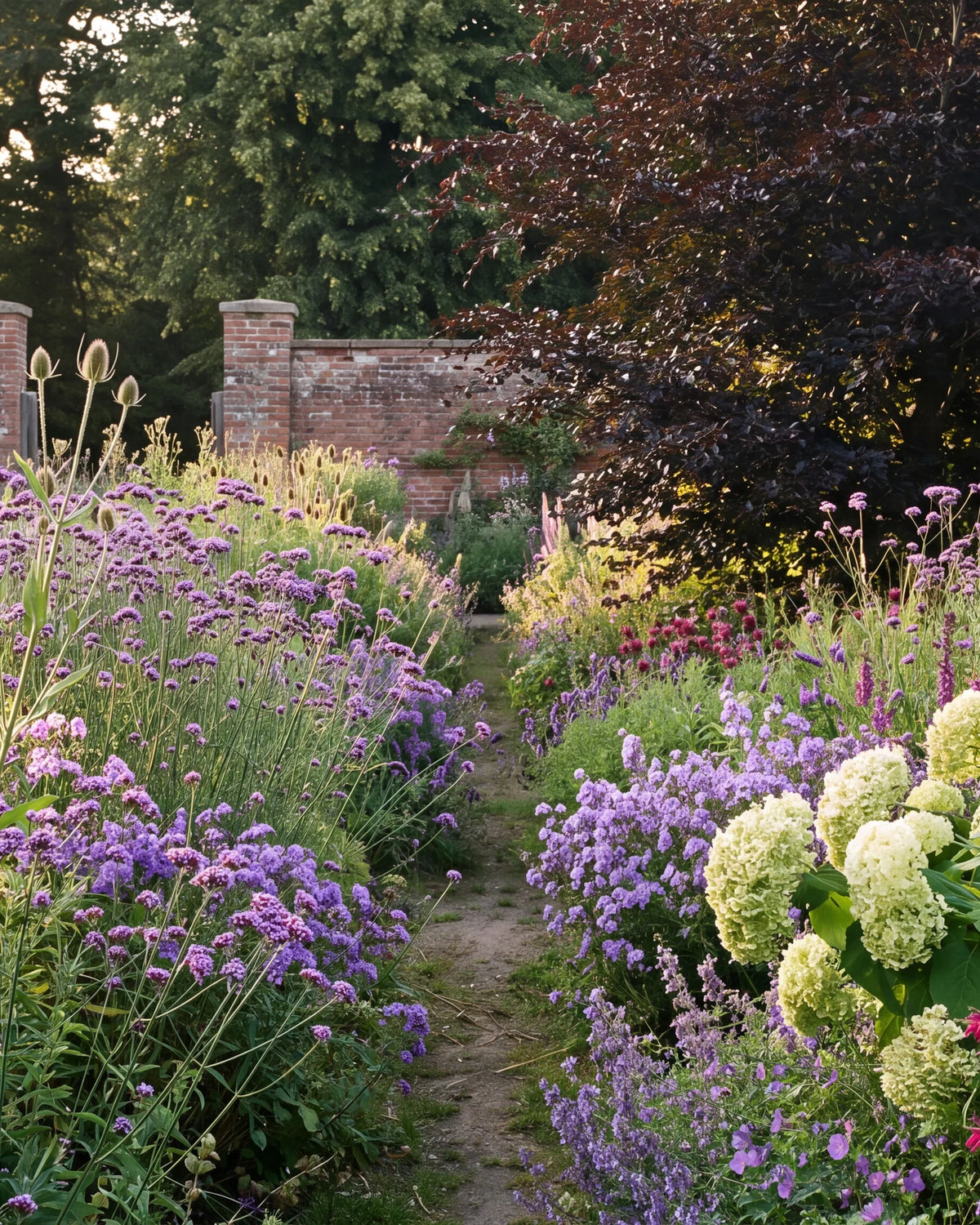
What she did with that loss, in 1930, was buy a ruin. Sissinghurst Castle was little more than a crumbling Elizabethan tower rising out of a scatter of farm buildings and centuries of rubbish, and she and her husband, the diplomat and writer Harold Nicolson, spent their first years there simply clearing it. Then, together, they made one of the most loved gardens in England. Harold laid the bones: long formal views and disciplined, clipped hedges. Vita filled them with roses grown almost to excess, planted with a hand that seemed to trust flowers to know their own business better than any plan could. Structure held the riot in place, and the riot kept the structure from ever feeling cold. The White Garden, planted after the war in nothing but white and silvered grey, was built to come alive precisely as the light went, a garden for the hour when everyone sensible has already gone home.

Vita’s own life ran on the same principle as her planting: order on the surface, and underneath it, something that refused to stay inside its borders. She and Harold loved each other devotedly for half a century, and they also loved elsewhere, most often women in her case, and wrote to one another about it with a frankness that still catches the breath. Her deepest, most consuming attachment was to Virginia Woolf. Out of that love Woolf wrote Orlando, a nobleman who cannot age and who becomes, partway through the novel, a woman, moving through three centuries in borrowed clothes and unmistakably wearing Vita’s own face throughout. Woolf gave her heroine the ancestral house that had been denied to the real Vita, grounds and all. Vita’s son later called the novel “the longest and most charming love letter in literature”: a generous way to describe a book his own mother’s lover had written about her.
At dusk, the White Garden still glows exactly as she planned it to, pale and quietly lit long after the rest of the garden has gone dark. It is, in the end, the same answer she gave to losing Knole in the first place: build something entirely her own. A woman denied the house she loved built a different one instead, with the person she actually chose. She wrote a gardening column for The Observer for fifteen years besides. And she left behind Sissinghurst, a garden that, on most evenings, quietly outshines the house that once turned her away.